
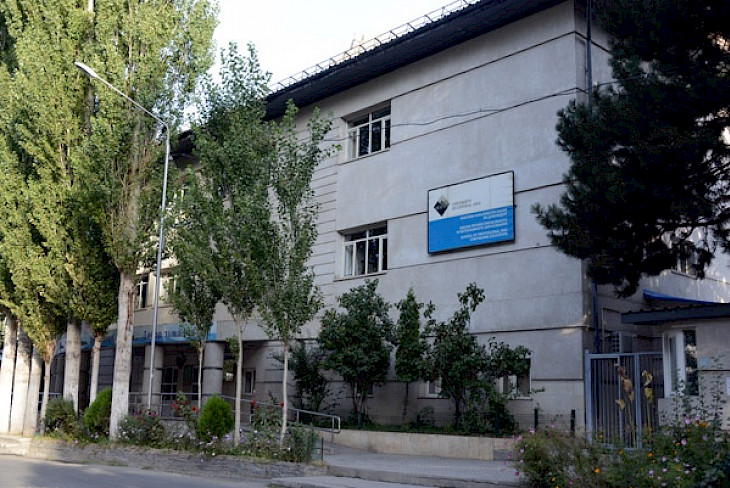
In Tajikistan, the licenses of the educational centers of the School of Professional and Continuing Education of the University of Central Asia and their branches in Dushanbe, Khujand, Bokhtar, and Kulyab have been terminated.
The decision was made on February 28, 2026, due to violations of legal requirements regarding the licensing system and failure to comply with licensing conditions in educational activities, Avesta.tj reports, citing the Agency for Supervision of Education and Science under the President of Tajikistan.
Analytical Commentary
The decision by Tajik authorities to terminate the activities of the educational centers of the University of Central Asia (UCA) is a significant event, given the special status of this educational project and its connection with the Aga Khan Foundation, which has been implementing social, educational, and humanitarian programs in Central Asia for many years.
The University of Central Asia was created as an international development project for the region with the support of the Aga Khan Foundation and the governments of Kazakhstan, Kyrgyzstan, and Tajikistan, and was previously viewed by the authorities as an important tool for training personnel and modernizing education.
The closure of licensed centers may indicate a change in the nature of interaction between Tajik government agencies and organizations affiliated with the Aga Khan Foundation. Although the official reason cited is violations of licensing requirements, the decision comes amid increasingly complex relations between Tajik authorities and several Aga Khan Foundation entities, which has a significant humanitarian presence in the country.
In recent years, Dushanbe has sought to strengthen state control over the educational and public spheres, including the activities of international organizations. It is important for the authorities that all external educational initiatives fully comply with national legislation and state priorities.
In a regional context, this move may have broader significance, as Central Asia actively attracts international educational projects as a tool for human capital development.
On the one hand, increased state regulation is aimed at improving oversight of educational quality; on the other, excessive restrictions on the activities of international partners could impact investment in education, scientific cooperation, and the country's image among foreign organizations.
The University of Central Asia has campuses in Khorog (Tajikistan), Tekeli (Kazakhstan), and Naryn (Kyrgyzstan). However, full-time undergraduate training is offered only in Naryn and Khorog.
CentralasianLIGHT.org
July 14, 2026