
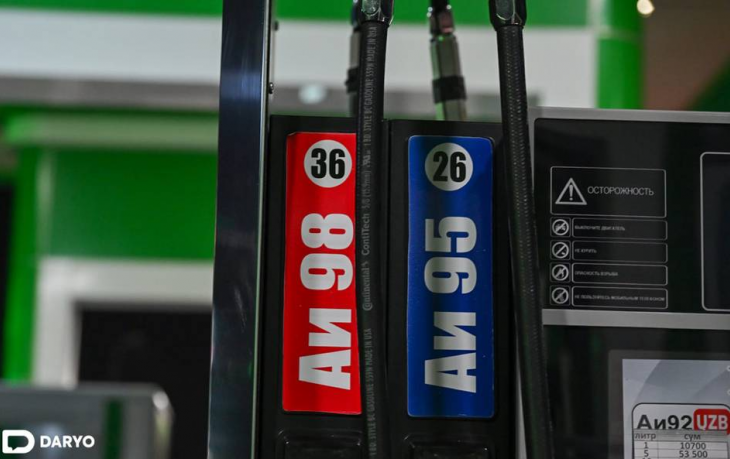
Uzbekistan took first place among Central Asian countries in terms of the cost of AI-95 gasoline. According to the international portal GlobalPetrolPrices, as of July 13, the average price of a liter of gasoline in the country was $1.34, Daryo.uz reports.
This figure is below the global average of $1.47, but remains the highest in the region. For comparison, in Kyrgyzstan a liter of AI-95 costs about $1.016, in Kazakhstan - $0.687, and in Turkmenistan - $0.43. In Russia the price is $0.924, in Belarus - $0.936, and in Azerbaijan - $0.676. The cheapest gasoline in the world is recorded in Libya, Iran and Venezuela, and the highest prices are in Hong Kong.
Analytical comment
The high cost of gasoline in Uzbekistan reflects major changes taking place in the country's energy sector. Despite having its own oil and gas resources, in recent years Uzbekistan has been faced with an increase in domestic demand for fuel, a decrease in oil production and the need to increase imports of petroleum products. Additional influences come from world oil prices, refining and logistics costs, and the gradual reduction of government subsidies in the fuel market.
In Central Asia, the situation with gasoline prices varies significantly. Kazakhstan and Turkmenistan maintain lower prices thanks to their own oil and gas production, developed oil refining infrastructure and government policies to regulate the market. Kyrgyzstan, which does not have significant oil reserves of its own, also depends on imported fuel, mainly from Russia, which affects the cost for consumers.
Globally, gasoline prices depend not only on the cost of oil, but also on tax policy, the level of subsidies, currency fluctuations and the state of the oil refining industry. Oil-exporting countries often keep prices artificially low through government subsidies, while developed economies have higher prices due to taxes and environmental levies.
For Uzbekistan, the current situation emphasizes the need to further develop its own oil refining, increase energy efficiency and expand alternative energy sources. In the long term, diversifying the energy mix can reduce the country's dependence on fuel imports and reduce pressure on the domestic market.
CentralAsianLIGHT.org
July 15, 2026