
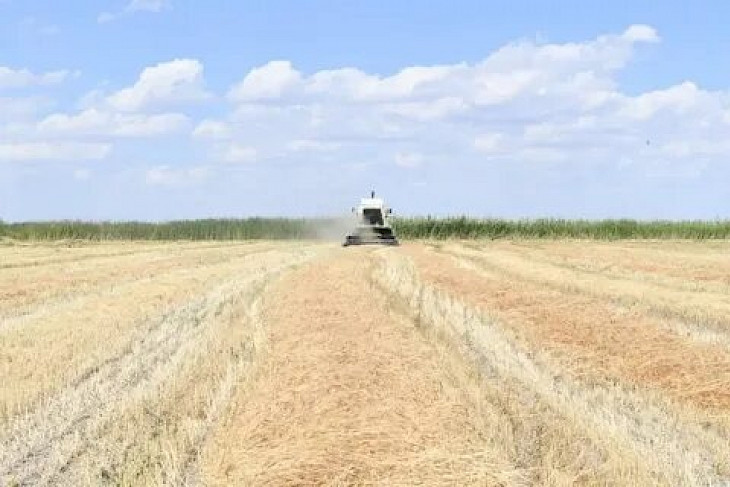
Despite overall growth in agricultural production in Tajikistan, yields for several key crops have declined. In the first half of 2026, grain production fell by 6.8% to 632,600 tons, while wheat harvest decreased by 13.3% to 501,800 tons, Asiaplus.tj reported.
Production of melons and fruits, particularly apricots, also declined, with harvests suffering significantly. The country's Ministry of Agriculture attributes the decline to unfavorable weather conditions, including frosts and climate change, as well as problems with statistical accounting for some farms. Meanwhile, total agricultural output increased to 28.8 billion somoni.
Analytical Commentary
The state of Tajikistan's agricultural sector in 2026 demonstrates mixed dynamics: on the one hand, the industry maintains growth due to increased production of vegetables, potatoes, meat, milk, and other livestock products, while on the other, it remains vulnerable to climate risks.
The decline in grain and fruit yields demonstrates agriculture's dependence on weather conditions and the need for accelerated adoption of modern irrigation technologies, resistant plant varieties, and climate change adaptation methods. Particular attention will be required to develop agricultural processing to offset losses in raw material production and increase farmers' incomes.
Looking forward, Tajikistan's agricultural sector has potential for growth thanks to expanded exports, infrastructure modernization, and digitalization of agricultural management. However, sustainable development will depend on the country's ability to effectively respond to climate challenges and increase agricultural productivity.
CentralasianLIGHT.org
July 10, 2026