
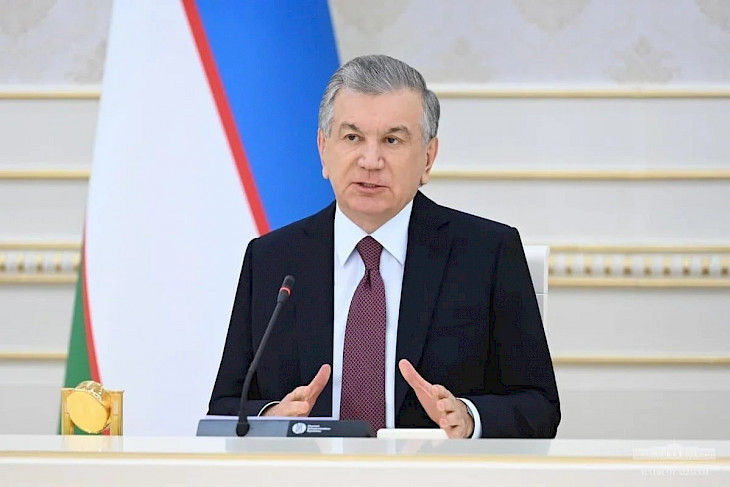
On October 8, at the VIII Consultative Meeting of the Heads of State of Central Asia and Azerbaijan in Avaza, Uzbek President Shavkat Mirziyoyev presented a number of key economic and infrastructure initiatives. Tashkent proposed moving beyond simple mutual trade to the development of end-to-end industrial production chains in the macro-region, as well as developing a joint low-carbon energy concept, according to a statement from the presidential press service.
The head of state particularly emphasized the need to create a unified transport and logistics network. He called for the development of "flexible and uncluttered" institutional mechanisms for cooperation, noting that growing water resource shortages and logistics fragmentation are becoming the main risks to the long-term growth of Central Asian economies.
Shavkat Mirziyoyev's initiatives reflect a pragmatic transformation of Uzbekistan's economic model and its role in the region:
- Industrial Synthesis: With its own gas production declining, Tashkent is focusing on localization and advanced processing of raw materials. The creation of regional production chains with Kazakhstan, Kyrgyzstan, Tajikistan, and Azerbaijan allows Uzbekistan to meet technological needs within the region, reducing dependence on external imports.
- Energy Transition and Green Connectivity: The low-carbon energy concept seamlessly complements the Green Energy Corridor project (Uzbekistan-Kazakhstan-Azerbaijan). This creates a unified energy market capable of exporting clean energy to Europe via the Caspian Sea.
- Water and Logistics Pragmatism: The emphasis on overcoming water shortages and integrating logistics routes demonstrates Tashkent's recognition that without synchronizing agro-industrial and transport systems, regional economic risks will grow exponentially.
CentralasianLIGHT.org
October 8, 2026