
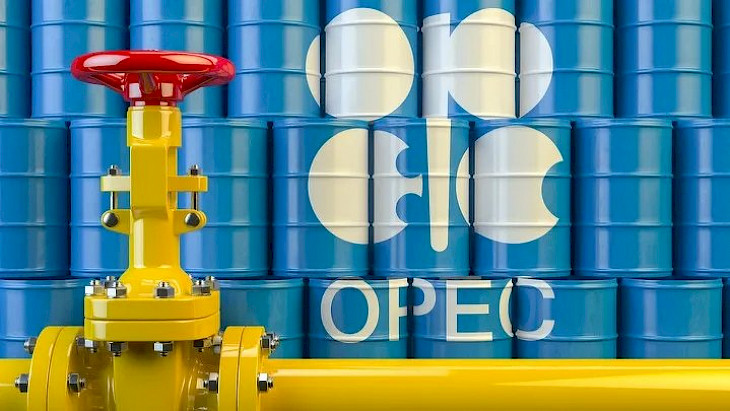
OPEC+ countries decided to maintain their current oil production quotas until October 2026. The decision was made on September 6 by the alliance's seven key members—Saudi Arabia, Russia, Iraq, Kuwait, Kazakhstan, Algeria, and Oman—amid ongoing uncertainty in the global energy market, Forbes.kz reported.
Previously, these countries agreed to increase production by a total of 188,000 barrels per day. Kazakhstan's increase was 10,000 barrels, with the October quota set at 1.628 million barrels per day.
OPEC+'s decision comes amid the ongoing conflict with Iran, which is disrupting oil supplies through the Strait of Hormuz and increasing global market instability. At the same time, the alliance seeks to avoid excess supply, which could put pressure on prices.
Kazakhstan is not an OPEC member, but is the largest oil producer in Central Asia and is among the top ten largest oil producers in the world. At the same time, the country remains a significant exporter, with approximately 30 billion barrels of proven reserves.
For Astana, the current situation is twofold. High oil prices support export revenues and the budget, but OPEC+ restrictions limit the ability to maximize the use of growing production capacity, including expanding production at large fields.
At the same time, a sharp increase in supplies could lead to lower prices and reduce exporters' revenues. Therefore, Kazakhstan must balance the desire to increase production with the need to comply with international agreements.
The global oil market is currently under the influence of several factors: geopolitical risks, transportation disruptions, changes in demand, and rising production outside of OPEC+. This is why the alliance is forced to carefully manage supply while simultaneously maintaining its influence on prices and its market share.
Maintaining the October quota can be seen as a pause before more important decisions on production parameters for 2027. These negotiations will be especially important for Kazakhstan: the new quotas will determine how fully the country can realize the potential of its oil fields and maintain stable export revenues.
CentralasianLIGHT.org
September 7, 2026