
During a visit to South Korea, a delegation from the Ministry of Agriculture of Uzbekistan met with the head of the Korean company "FDfive," which specializes in developing agrotechnological and biotechnological solutions for agriculture, as well as producing organic fertilizers, as reported by Daryo.uz.
The parties held detailed discussions on improving the fertility of saline soils in the country's regions and introducing crop varieties adapted to local climatic conditions with high economic efficiency.
In particular, they explored the potential for cultivating salt-tolerant plants, including Melilotus officinalis (yellow sweet clover), Echinochloa esculenta (Japanese millet), Lolium multiflorum (Italian ryegrass), Sorghum sudanense (Sudan grass), Medicago sativa (alfalfa), and Sesbania bispinosa.
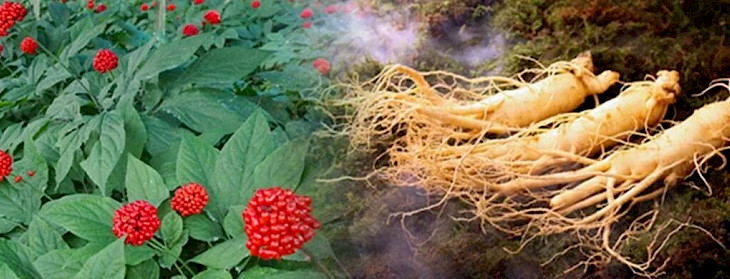
Additionally, the sides agreed to launch Uzbekistan's first experimental ginseng cultivation project. The perennial plant is planned to be grown in the Bostanlik district of the Tashkent region, as well as in the foothill areas of the Kashkadarya region.
Ginseng primarily grows in Korea, China, and certain regions of Russia. The most valuable part of the plant is its root, which fully matures over 4–6 years. Ginseng is prized for its properties to strengthen the immune system, reduce fatigue, improve blood circulation, and enhance the body's resilience to stress.
CentralasianLIGHT.org
March 6, 2026