
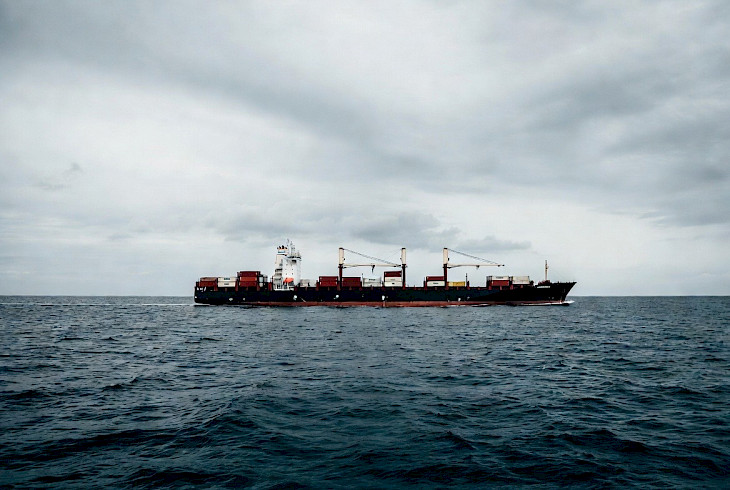
Turkmenistan, which assumed the rotating chairmanship of the Commonwealth of Independent States (CIS) on January 1, 2026, has announced a strategic initiative to transform the Caspian region into a key international transport, transit, and energy hub of continental significance. This is stated in the CIS Presidency Concept published on March 11 on the website of the CIS Executive Committee, Trend news agency reports.
The document outlines the vector of cooperation for 2026 and emphasizes three key directions:
|
Priority Area |
Key Tasks |
|---|---|
|
Transport & Logistics |
Development of sustainable corridors linking the Caspian and Black Sea regions; expanding access to Middle Eastern markets |
|
Energy |
Strengthening multilateral partnership in hydrocarbon extraction, transportation, and supply diversification |
|
Trade Integration |
Simplifying customs procedures, harmonizing standards, and stimulating mutual investment |
Special attention in the Concept is given to developing the North–South International Transport Corridor along the Caspian coast. Plans include synchronizing eastern and western routes, with emphasis on:
- Modernizing port infrastructure;
- Implementing digital logistics platforms;
- Eliminating "bottlenecks" in cross-border freight operations.
"Enhancing regional transit connectivity will create new opportunities for CIS countries to export goods and services to dynamic markets in Asia and Europe," the document notes.
The Commonwealth of Independent States was established in 1991 to promote political, economic, and humanitarian cooperation across the post-Soviet space. Coordination of joint economic policy — including the development of transport and energy networks — is carried out by the CIS Economic Council.
The organization's rotating presidency passed from Tajikistan to Turkmenistan on January 1, 2026, and will run through the end of the year.
Experts note that successful implementation of Turkmenistan's initiatives could:
- Accelerate the integration of Caspian states into global supply chains;
- Attract additional investment to infrastructure projects;
- Strengthen the region's position as an alternative logistics hub amid geopolitical instability.
However, analysts caution that achieving these goals will require not only political will but also coordinated action by all CIS members and constructive dialogue with extra-regional partners.
Turkmenistan holds Central Asia's largest natural gas reserves and occupies a strategic location at the crossroads of transport routes between Europe, the Middle East, and South Asia. The country is actively developing the ports of Turkmenbashi and Alyat (in partnership with Azerbaijan) as key nodes for trans-Caspian shipments.
CentralasianLIGHT.org
March 12, 2026