
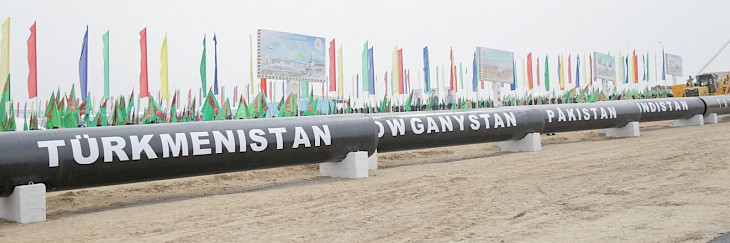
The Turkmenistan-Afghanistan-Pakistan-India (TAPI) gas pipeline project is becoming especially urgent amid escalating geopolitical conflicts and mounting risks to key maritime trade routes, according to Pakistani Ambassador to Ashgabat Faryal Leghari in an article for the Neutral Turkmenistan newspaper.
The diplomat emphasized that Turkmenistan's colossal gas reserves and Pakistan's growing need for reliable and affordable energy resources provide the two countries with a solid foundation for a strategic partnership.
According to the Pakistani ambassador, direct energy connectivity with Ashgabat will be a powerful driver of Pakistan's industrial growth and guarantee its long-term energy security. Islamabad hopes that the overland pipeline route will ensure supply stability in the face of the vulnerability of maritime liquefied natural gas shipments.
Faryal Leghari also noted that Turkmenistan's neutral status creates unique conditions for dialogue and the resolution of security issues along the route, transforming TAPI into a global artery capable of expanding the scope of the original route.
The Pakistani side's statements reflect a key shift in regional energy logistics: Islamabad views direct onshore imports of pipeline gas as a vital alternative to spot LNG purchases, which are susceptible to price shocks and military risks in the Middle East. Implementing TAPI will allow Pakistan to address its chronic electricity shortages and support the country's industrial sector.
In turn, the active promotion of the project underscores Ashgabat's role as a key guarantor of energy security in South and Central Asia. Turkmenistan's neutral status and its pragmatic approach to cross-border infrastructure help reduce geopolitical tensions and create the conditions for integrating Asian markets into a single, sustainable system.
CentralasianLIGHT.org
September 25, 2026