
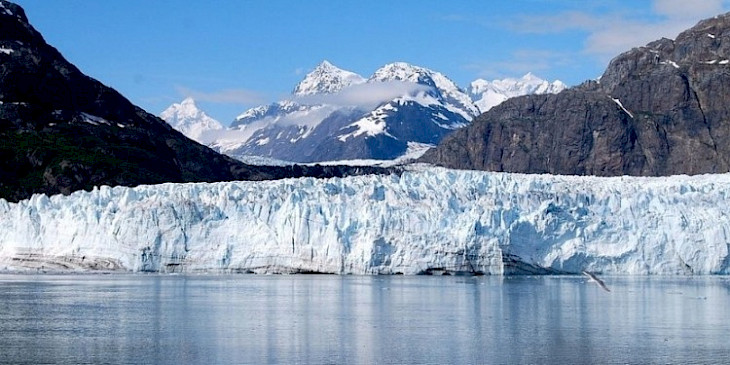
Glacial melt and rapid climate change are jeopardizing water security across all of Central Asia. According to the new Atlas of Environmental Change in Tajikistan, published by UNEP (UN Environment Programme), the regional warming rate is cause for serious alarm, Avesta.tj reports.
Key Findings from the Report:
-
Temperature Surge: Over recent decades, the average annual temperature in Tajikistan has risen by 1.2°C, nearly double the global average.
-
Vanishing Glaciers: Due to anomalous heat, more than 1,000 glaciers across the country have already completely disappeared.
-
2050 Forecast: UNEP experts warn that the glacial area in key river basins could shrink by more than 50% within the next few decades.
Consequences for the Region
The reduction of the glacial shield will inevitably lead to decreased flow in the region’s largest rivers—the Amu Darya, Panj, and Vakhsh. This shift is expected to trigger acute water shortages for agriculture and energy, affecting both Tajikistan and its downstream neighbors.
The Need for Transboundary Dialogue
The Atlas emphasizes that in the face of increasingly frequent natural disasters, it is critically important for Central Asian nations to:
-
Transition to Integrated Water Resources Management (IWRM).
-
Strengthen transboundary cooperation to jointly respond to climate risks.
-
Develop unified adaptation strategies to manage the mounting pressure on water ecosystems.
CentralasianLIGHT.org
February 10, 2026