
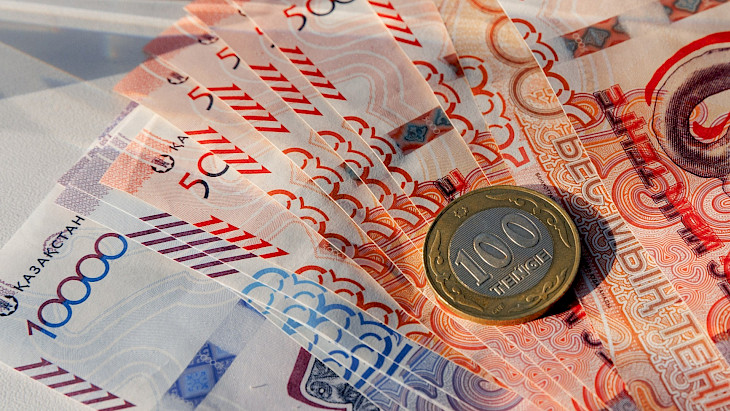
The Kazakhstani tenge has become one of the world's most strengthened currencies against the U.S. dollar since the beginning of 2026. In the first six months of the year, the tenge appreciated by 4.22%, according to an analysis of exchange data.
The tenge's inclusion among the top five most strengthened currencies against the dollar demonstrates the relatively high resilience of the Kazakh economy in the face of an unstable global financial environment. This distinguishes the tenge from many emerging currencies, many of which, on the contrary, have demonstrated significant weakening.
The strengthening of the national currency is largely due to a combination of internal and external factors. The tenge is supported by relatively high export revenues from the commodity sector, maintained macroeconomic stability, and the prudent monetary policy of the National Bank. An additional factor was the weakening of the dollar on global markets, which contributed to the growth of several emerging market currencies.
However, a strong tenge also has a downside. A more appreciated national currency helps curb imported inflation and increases purchasing power, but it can also reduce the competitiveness of non-resource exports. Therefore, the exchange rate's future dynamics will depend not only on domestic economic indicators, but also on oil prices, the situation on global financial markets, and the geopolitical situation.
For now, the results of the first half of the year demonstrate that Kazakhstan remains one of the most resilient economies in the region, and the tenge remains one of the most stable currencies among emerging market countries.
CentralasianLIGHT.org
July 1, 2026