
BISHKEK — Inflation in Central Asian countries averaged 6.5% in 2025, though price dynamics varied significantly across the region, according to a macroeconomic review by the Eurasian Development Bank (EDB), Akchabar.kg reports.
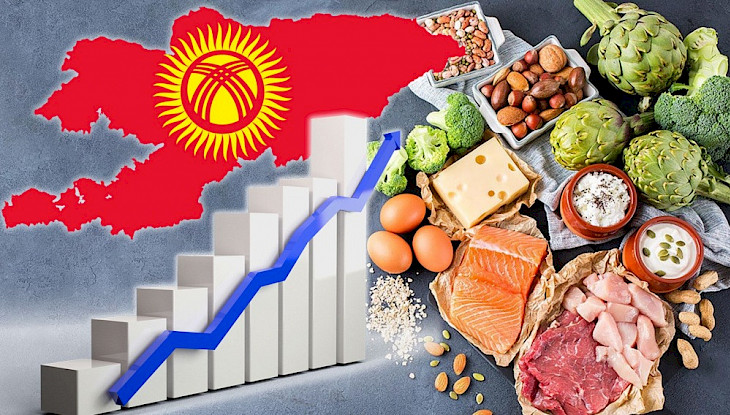
Rising global food prices exerted upward pressure on inflation in Kyrgyzstan and Armenia. Meanwhile:
|
Country |
Inflation / Trend |
|---|---|
|
Kazakhstan |
11.7% (as of February 2026); growth slowing |
|
Russia |
8.9%; decline paused in January 2026 |
|
Uzbekistan |
Gradual decline toward 10–12% range |
|
Belarus |
Below target benchmarks |
In December 2025 – February 2026, central banks pursued different strategies:
Tightening:
• Kyrgyzstan: rate raised to 11%, then to 12% from February 24, 2026
• Kazakhstan: to 18%
• Uzbekistan: to 14%
• Belarus: to 9.75%
Easing:
• Russia: rate cut to 16%, with further reduction to 15% expected in March
• Tajikistan: reduced to 7% in February 2026
• Armenia: held steady at 6.5%
Overall, monetary policy across the region remains moderately tight in early 2026.
Central Asian economies expanded by approximately 7% in 2025, significantly exceeding the average for developing countries (4.4%).
Key growth drivers:
- Active investment activity;
- Sustained domestic demand.
These factors enabled the region to maintain strong momentum despite global headwinds, including rising energy and commodity prices and disruptions to supply chains.
Kyrgyzstan posted the region's highest growth rate: GDP expanded by 11.1% — the best performance in Central Asia. The country has maintained its regional leadership for the third consecutive year, driven by domestic demand and investment.
CentralasianLIGHT.org
March 17, 2026